Blog


The world of automotive accessories is transforming faster than ever. As vehicles evolve into smarter, cleaner, and more connected machines, the accessories that enhance them are following suit. From AI-powered car gadgets to eco-friendly materials and digital personalization, the latest industry trends are redefining what drivers expect from their vehicles in 2025 and beyond.
Driven by rapid innovation in electrification, connectivity, and consumer technology, accessories are no longer just add-ons—they’ve become integral to the driving experience. Whether it’s a wireless charging console designed for electric vehicles, adaptive lighting systems that sync with road conditions, or smart steering devices that boost comfort and safety, these products represent the intersection of technology, design, and lifestyle.
As we approach 2025, the future of car gadgets and aftermarket components is being shaped by a powerful mix of sustainability goals, data-driven design, and shifting consumer behavior. This article explores the trends and technologies defining this new era of mobility—where innovation isn’t optional, it’s expected.
The global automotive accessories market is entering a period of unprecedented transformation. Valued at over $550 billion in 2023, the sector is projected to exceed $720 billion by 2025, fueled by surging demand for vehicle personalization, connected technologies, and enhanced in-cabin experiences. These numbers reflect a critical reality: as cars become more software-defined, the accessory ecosystem is evolving from mechanical upgrades to technology-driven enhancements.
At the heart of this growth lies the changing balance between OEM and aftermarket dynamics. Original Equipment Manufacturers (OEMs) are increasingly integrating accessories at the factory level—think embedded ambient lighting systems, AI dashcams, or EV-specific tire kits—to maintain control over brand consistency and safety standards. Meanwhile, the aftermarket continues to thrive by offering rapid innovation cycles and greater customization, appealing to tech-savvy drivers seeking advanced car gadgets and lifestyle upgrades.
The acceleration of electric vehicle (EV) adoption is reshaping the product mix entirely. Accessories such as portable EV chargers, aerodynamic kits, and smart battery monitors are becoming mainstream, while traditional components like exhaust tips and ICE-focused performance parts are in decline. Likewise, the rise of autonomous driving is redefining interior priorities—emphasizing comfort, digital interfaces, and entertainment over mechanical enhancements.
In summary, today’s automotive accessories industry trends reveal a clear shift: innovation, data connectivity, and sustainability now drive product value far more than aesthetics alone. Manufacturers and distributors that adapt to this evolution—by aligning with the digital and electric future—will define the next wave of market leaders.
In 2025, the line between vehicles and consumer electronics will blur even further. Modern drivers expect their cars to be intelligent, responsive, and seamlessly connected—fueling a new generation of car gadgets that combine safety, convenience, and entertainment in one ecosystem. The rise of smart accessories reflects not only technological innovation but also the evolving lifestyle of digital-native consumers.
One of the most visible trends is the growth of connected car devices. Products like AI-powered dashcams, smart EV chargers, and next-gen OBD-II diagnostic devices are becoming essential components of the modern driving experience. AI dashcams now do more than record footage—they use computer vision to detect unsafe behavior, alert drivers to hazards, and even upload incidents directly to cloud dashboards. Similarly, smart charging accessories are enabling EV owners to monitor charging efficiency and energy costs through smartphone apps.
Integration with mobile ecosystems such as Apple CarPlay, Android Auto, and proprietary vehicle apps has made in-car connectivity second nature. Drivers can now sync their music, navigation, and even home automation systems effortlessly. In 2025, expect to see an expanded role for voice control, predictive driver assistance, and cross-device personalization powered by AI and IoT platforms.
The in-cabin experience is also being transformed by futuristic interfaces. Augmented Reality (AR) heads-up displays project navigation and vehicle data directly onto the windshield, reducing distractions while enhancing safety. Biometric access systems—from fingerprint ignition to facial recognition—are becoming mainstream, offering both convenience and advanced theft protection. Meanwhile, health monitoring sensors are entering luxury and commercial fleets, tracking driver fatigue, heart rate, and posture to prevent accidents before they happen.
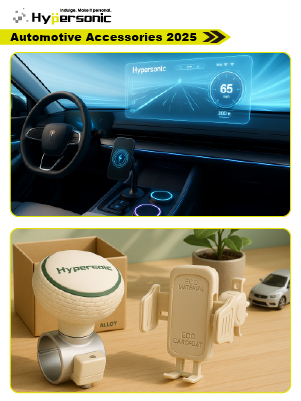
Visual suggestion: Include an infographic or photo with alt text “smart car gadgets 2025 dashboard display,” showing an AI dashcam, AR windshield, and connected phone interface.
Summary:
The evolution of car gadgets 2025 signals a deeper integration of technology into everyday mobility. As vehicles grow more connected, accessories that enhance safety, personalization, and efficiency are redefining the modern driving experience. From AI-enabled devices to health-conscious innovations, the future of automotive accessories lies in intelligent design that adapts to the needs of tomorrow’s drivers.
As environmental responsibility becomes central to the automotive sector, innovation in automotive accessories is increasingly defined by how products are designed, sourced, and manufactured. In 2025, sustainability is not simply a marketing advantage—it’s a requirement for brand credibility and long-term competitiveness.
Across the supply chain, leading manufacturers are adopting recycled and renewable materials in place of virgin plastics and metals. Interior trim kits now feature reclaimed polymers and plant-based fibers, while performance parts use lightweight aluminum or bio-composites to reduce vehicle mass and improve efficiency. This shift toward circular manufacturing ensures that materials can be recovered and reused at the end of their life cycle, closing the loop on waste and resource consumption.
Energy-efficient and environmentally friendly designs are also shaping new product development. Solar-powered accessories—such as ventilating fans, battery maintainers, and smart dash cameras—help drivers lower their carbon footprint while maintaining convenience. At the same time, biodegradable packaging and low-energy electronics are becoming standard for forward-thinking suppliers seeking to minimize environmental impact across the product life cycle.
Equally important is compliance with ESG (Environmental, Social, and Governance) standards. Tier-1 and Tier-2 suppliers are setting measurable carbon-neutral targets, investing in renewable energy for production lines, and reporting emissions in accordance with global frameworks like ISO 14064 and the EU’s Green Deal. By aligning with these standards, accessory makers are positioning themselves as responsible partners to OEMs striving for cleaner mobility solutions.
For deeper insights on sustainability strategy and supply-chain transformation, see the McKinsey Automotive Sustainability Report.
Summary:
The push for eco-innovation in automotive accessories represents a decisive step toward a circular, low-carbon future. From recycled materials and solar-powered gadgets to full ESG compliance, sustainability is becoming a core pillar of product design and brand identity. Manufacturers that invest in green innovation today will not only reduce emissions but also strengthen their competitive edge in the rapidly evolving automotive market.
As the automotive industry advances toward smarter and more connected vehicles, safety and regulatory compliance are taking center stage in product development. The evolution of automotive accessory standards 2025 is reshaping how manufacturers design, test, and certify their innovations—ensuring that every new component not only enhances performance but also meets global safety benchmarks.
Regulatory frameworks such as the Federal Motor Vehicle Safety Standards (FMVSS) in the U.S., ECE Regulations in Europe, and ISO performance standards worldwide define the baseline for accessory approval. These standards govern everything from lighting intensity and driver visibility to material strength and crash safety. For accessories like adaptive lighting systems, steering aids, or in-cabin digital displays, passing these tests is crucial for market access and OEM partnerships.
The rise of cybersecurity regulations—particularly UN R155 and UN R156—is adding a new layer of compliance complexity. As car gadgets and digital accessories become increasingly connected through Bluetooth, Wi-Fi, or CAN bus networks, they also become potential gateways for cyberattacks. Manufacturers must now demonstrate not only physical safety but also digital resilience, proving that their devices can withstand hacking attempts and protect vehicle integrity.
Cutting-edge innovation from industry leaders like Okjaws exemplifies how safety and precision can coexist with ergonomic design. Products such as precision-engineered steering wheel knobs, crafted with zinc-alloy durability and secure mounting systems, reflect a commitment to meeting both mechanical safety and regulatory compliance. These accessories aren’t just built to perform—they’re engineered to comply with the world’s toughest safety standards.
In addition, new accessory categories such as adaptive headlights, advanced steering aids, and digital mirrors are being shaped by global regulations emphasizing visibility, reaction time, and driver ergonomics. Each advancement pushes suppliers to rethink materials, electronics, and software integration to meet next-generation safety benchmarks.
Summary:
The roadmap for automotive accessory standards 2025 is clear—innovation must align with regulation. As technologies grow more advanced, safety validation now extends beyond crash performance to include software integrity and cybersecurity. Manufacturers that embed compliance into design—from Okjaws-style precision components to AI-integrated lighting—will gain a decisive edge in earning trust, certification, and long-term market success.
The global automotive accessories supply chain is evolving rapidly as manufacturers balance cost efficiency, sustainability, and responsiveness. From localization strategies to IoT-enabled factories, data and automation are now central to how the industry produces and delivers accessories worldwide.
One of the most significant discussions shaping the automotive accessory industry in 2025 revolves around localization versus global sourcing. While global supplier networks remain efficient for high-volume production, geopolitical tensions, shipping delays, and rising freight costs have driven many manufacturers to regionalize.
Localized production shortens lead times, enhances supply reliability, and helps meet region-specific regulations like FMVSS (U.S.), ECE (Europe), and ISO standards (global). In contrast, global sourcing still provides cost advantages for raw materials and electronic components. The most resilient suppliers are adopting hybrid models, combining regional assembly plants with global component procurement to balance cost, compliance, and agility.
The rise of smart manufacturing is transforming how automotive accessories are produced. IoT sensors and machine-learning algorithms now track assembly precision, torque application, and temperature stability in real time. This enables predictive maintenance, faster defect detection, and continuous improvement cycles—resulting in higher product consistency and lower waste.
Factories equipped with digital twins and connected devices can simulate production runs before implementation, optimizing energy use and material flow. Such IoT-enabled quality control ensures every steering knob, lighting module, or electronic accessory meets OEM-grade safety and durability standards.
In the Tier-1 and Tier-2 supplier ecosystem, innovation is shifting toward modular accessory production. Instead of rigid, one-size-fits-all product lines, modular design allows rapid customization for specific markets or vehicle platforms.
This approach enhances efficiency, simplifies assembly, and accelerates product launches—critical in a fast-moving accessories market where innovation cycles are measured in months, not years. Suppliers adopting modular systems can easily reconfigure production lines for new models, reducing downtime and improving scalability.
Resilient supply chains are built on data intelligence. With predictive analytics, manufacturers can forecast demand shifts, manage material procurement, and optimize logistics in real time.
By leveraging AI-driven forecasting tools, suppliers identify potential bottlenecks early and adapt inventory levels before disruptions occur. This data-centric approach transforms the supply chain from a reactive network into a strategic advantage, especially as demand fluctuates across global markets for automotive accessories and smart devices.
Manufacturers that embrace localization, IoT-enabled production, modular design, and data analytics are redefining what supply chain agility means in 2025. The next generation of automotive accessories will be built not just in smarter factories, but through smarter strategies—where resilience, precision, and sustainability work hand in hand to deliver long-term competitive strength.
Digital transformation has reshaped how consumers discover, evaluate, and purchase automotive accessories. As buying habits evolve and online marketplaces expand, suppliers and retailers are adopting new digital strategies to stay competitive. The shift toward e-commerce, influencer marketing, and personalization is redefining customer relationships and accelerating product innovation.
The past few years have seen exponential growth in automotive accessories e-commerce trends, with online sales projected to exceed $85 billion globally by 2025. Platforms like Amazon, eBay Motors, and specialized online retailers have transformed how drivers shop—making parts and accessories more accessible than ever.
More brands are now embracing direct-to-consumer (D2C) sales models, bypassing traditional distributors to build stronger customer relationships. Through branded online stores and mobile apps, manufacturers can offer exclusive bundles, warranty registration, and post-sale support—all while collecting valuable behavioral data to guide product development.
This D2C approach not only enhances profit margins but also allows brands to control customer experience and messaging—a key differentiator in an increasingly competitive digital market.
Social media has become a powerful discovery engine for automotive accessories. Platforms like TikTok, Instagram, and YouTube now drive massive consumer engagement, especially among younger, tech-oriented car owners.
Short-form video reviews, installation tutorials, and influencer collaborations have replaced traditional advertising as the most trusted sources of product information. A single viral post demonstrating a smart dashcam or steering knob upgrade can generate thousands of sales overnight.
For manufacturers, working with credible influencers and auto enthusiasts builds authenticity and accelerates brand visibility. The trend also underscores the need for storytelling and visual marketing—where value and innovation are communicated through engaging, real-world content.
Today’s consumers expect personalized experiences across all digital touchpoints. Accessory brands are responding with AI-powered recommendation engines and subscription models that deliver curated monthly kits—ranging from seasonal maintenance items to style-focused upgrades.
These subscription-based programs cater to convenience and customization, offering recurring engagement rather than one-time purchases. For B2C and B2B brands alike, this model improves customer retention, provides predictable revenue, and strengthens long-term loyalty.
Personalization is also extending into the product design phase. Manufacturers now offer configurable accessories—such as color-matched trims, smart lighting, or digital cockpit add-ons—allowing customers to align purchases with their individual preferences and vehicle aesthetics.
The digital era is rewriting how consumers interact with automotive accessories. From e-commerce growth and D2C strategies to influencer marketing and personalized subscriptions, the market is shifting toward engagement, convenience, and authenticity. Brands that adapt to these automotive accessories e-commerce trends—using data, storytelling, and direct relationships—will define the next generation of customer experience and loyalty in the automotive sector.
By 2030, the world of automotive accessories will look dramatically different. The convergence of artificial intelligence (AI), sustainability, and user-centric design will redefine how drivers interact with their vehicles — transforming accessories from static add-ons into dynamic, intelligent systems that adapt in real time to user needs.
The next generation of innovation will be powered by predictive personalization. With AI analyzing driver behavior, environment data, and vehicle diagnostics, future accessories will anticipate preferences automatically — adjusting lighting, climate settings, or in-cabin features without manual input. Imagine a smart console that learns your driving patterns and suggests accessories or upgrades tailored to your lifestyle, whether it’s optimizing for performance, safety, or sustainability.
Sustainability will continue to guide design choices, as circular materials and energy-efficient electronics become industry norms. Accessories of the future will not only integrate seamlessly with electric and autonomous vehicles but will also contribute to broader carbon-neutral goals through eco-conscious manufacturing and supply chain transparency.
The fusion of technology, data, and design thinking signals a new era of personalization and purpose. Accessories will no longer be isolated components — they’ll be part of a connected ecosystem that enhances safety, comfort, and environmental responsibility.
Summary:
As we move toward 2030, the future of automotive accessories lies in intelligence and integration. AI-driven insights, sustainable materials, and user-focused innovation will shape the market’s next evolution. Brands that invest in these technologies today will lead the conversation tomorrow — setting new benchmarks in safety, design, and customer experience.
As the automotive world accelerates toward a connected, sustainable future, automotive accessories are no longer peripheral—they’re becoming central to how people experience mobility. The industry trends shaping 2025 reveal a clear narrative: technology, personalization, and environmental responsibility are redefining both product design and consumer expectations.
From smart car gadgets 2025 that enhance safety and convenience to eco-friendly materials and AI-driven personalization, innovation remains the defining force of progress. Manufacturers and brands that invest in data analytics, digital retail, and sustainable production will not only capture market share but also build long-term trust in a rapidly evolving landscape.
Ultimately, the future of automotive accessories lies at the intersection of innovation and intelligence. As drivers demand smarter, cleaner, and more adaptive solutions, the industry’s next chapter will be about delivering accessories that don’t just complement vehicles—but elevate the entire driving experience. The road ahead is clear: the next generation of car accessories will help us all drive smarter, safer, and greener.
This site uses cookies to improve your browsing experience. we’ll assume you’re OK to continue. If you want to read more about this, please click PRIVACY thank you.