Blog

In today’s evolving automotive landscape, the role of accessories is rapidly changing. Traditionally, car gadgets were designed with a singular focus on function—improving safety, convenience, or performance. However, as consumer expectations shift, lifestyle car accessories are redefining how drivers interact with their vehicles. Cars are no longer just machines; instead, they have become personal spaces that reflect individual taste, status, and identity. Drivers now look for products that align with their lifestyle preferences, blending utility with aesthetics. However, this transformation marks a clear shift from purely functional tools to meaningful expressions of personal identity.
At the same time, the rise of design-driven car gadgets is pushing brands to rethink how products are developed and positioned. Rather than competing solely on price or performance, companies are increasingly embracing branding through design to create differentiation and emotional connection. This means integrating premium materials, thoughtful ergonomics, and visual appeal into every product. As a result, brands that fail to adapt risk becoming commoditized in a highly competitive market. This article will explore how automotive accessories are evolving into lifestyle products, why design matters more than ever, and how companies can leverage this shift to create lasting value.
Lifestyle car accessories are a new category of automotive products designed to combine functionality with personalization and aesthetics. Unlike traditional add-ons, these accessories are created to enhance not only how a car performs but also how it looks and feels. As a result, they allow drivers to express their individual preferences through design, materials, and style. In today’s market, consumers increasingly expect their vehicles to reflect their personality, making lifestyle car accessories an essential part of modern automotive culture.
Traditionally, automotive accessories were primarily utility-driven, focusing on solving practical problems such as improving safety or convenience. However, lifestyle car accessories take a different approach by being experience-driven, where design, comfort, and emotional appeal play a central role. While functional accessories are often standardized and price-focused, lifestyle-oriented products emphasize uniqueness, premium quality, and visual harmony. Therefore, the shift represents a move from necessity-based purchasing to preference-based decision-making.
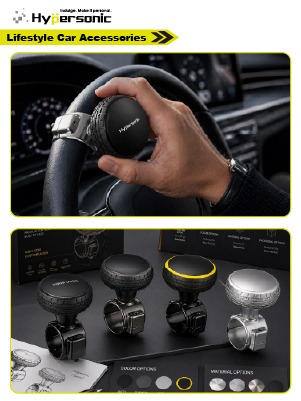
Common examples of lifestyle car accessories include the premium steering knob and various interior styling components. A premium steering knob, for instance, not only improves handling but also introduces refined materials and ergonomic design. Similarly, interior styling elements such as custom trims, coordinated finishes, and decorative accents contribute to a cohesive and elevated in-car environment that aligns with the driver’s taste.
Ultimately, lifestyle car accessories are closely tied to user identity and emotional value. Drivers no longer view accessories as simple tools; instead, they see them as extensions of their personal brand. This emotional connection enhances satisfaction and strengthens the relationship between the user and the product.
Summary:
Lifestyle car accessories go beyond function by combining personalization, design, and identity, transforming everyday products into meaningful expressions of the driver.
The rapid growth of design-driven car gadgets is closely tied to the rise of the personalization economy. Today’s consumers are no longer satisfied with one-size-fits-all products; instead, they actively seek solutions that reflect their unique preferences and lifestyles. As a result, lifestyle car accessories have become a key part of this shift, allowing drivers to customize both the appearance and feel of their vehicles. Moreover, this trend is fueled by social media and digital culture, where visual identity and self-expression play a significant role in purchasing decisions.
At the same time, the influence of premium brands such as Apple Inc. has reshaped consumer expectations across industries, including automotive accessories. These brands emphasize minimalist aesthetics, intuitive functionality, and seamless user experience. Consequently, automotive manufacturers and accessory brands are adopting similar design-first thinking, where form and function are equally important. This approach elevates even simple products into refined, desirable objects, reinforcing the importance of branding through design in competitive markets.
Furthermore, modern consumers increasingly expect products to deliver both emotional and aesthetic satisfaction. While performance remains essential, users also value how a product feels in hand, how it complements the vehicle interior, and how it enhances the overall driving experience. Therefore, design-driven car gadgets are no longer optional—they are becoming the standard for premium positioning. This shift highlights how emotional connection and visual appeal directly influence purchasing behavior.
Summary:
Design-driven car gadgets are rising because consumers now expect products to deliver both performance and emotional satisfaction, making design a core differentiator.
Traditionally, the steering knob was developed as a purely functional automotive accessory. It was mainly used to improve steering control, especially for commercial drivers, fleet operators, or users requiring additional assistance. In most cases, manufacturers prioritized durability, safety, and ease of installation over visual appeal. As a result, early designs were standardized and lacked differentiation. However, as the automotive market evolved, these basic tools began to reveal untapped potential within the growing lifestyle car accessories segment.
As consumer preferences shifted toward personalization and design, the premium steering knob emerged as a new category within design-driven car gadgets. Instead of focusing solely on function, modern steering knobs now combine performance with refined aesthetics and ergonomic comfort. Moreover, they contribute to the overall interior design of a vehicle, aligning with broader trends in branding through design. Consequently, what was once a simple utility product has become a key element in enhancing both driving experience and visual identity.
A major factor behind this transformation is the use of high-quality materials and precision engineering. For example, many premium steering knobs now feature zinc alloy construction, which offers superior strength, durability, and a more sophisticated tactile feel compared to traditional plastic options. In addition, precision bearings ensure smooth and effortless steering, particularly during tight maneuvers or extended driving sessions. Therefore, these innovations not only improve functionality but also elevate perceived product value.
Another key advantage of premium steering knobs is their ability to support custom branding and personalization. Manufacturers can incorporate logos, unique finishes, and tailored design elements to match specific brand identities or target markets. As a result, these products serve not only as functional accessories but also as strategic branding tools that strengthen recognition and differentiation.
The premium steering knob demonstrates how a traditional automotive tool can evolve into a high-value lifestyle product. By integrating advanced materials, ergonomic design, and branding opportunities, it reflects the growing importance of lifestyle car accessories in delivering both performance and personal expression.
Branding through design means using product appearance, materials, shape, texture, and user experience to communicate a brand’s value. Instead of depending only on logos or advertising, the product itself becomes the message. For lifestyle car accessories, this is especially important because drivers often choose products that match their personal taste. Therefore, every detail—from color finish to ergonomic form—helps express quality, personality, and brand positioning.
Many traditional automotive accessories are treated as commodity products because they focus mainly on function and price. However, branded products create stronger value by combining performance with design meaning. For example, a premium steering knob does more than support smoother steering; it can also enhance the vehicle interior and reflect the driver’s style. As a result, design-driven car gadgets help brands move away from price competition and build a more distinctive market identity.
Design also gives automotive products emotional power. A smooth surface, solid weight, refined finish, or modern shape can immediately create a sense of trust and quality. Moreover, visual storytelling helps customers understand what a brand represents before they read any product description. When a product looks precise, durable, and stylish, it communicates reliability and confidence. Consequently, design becomes a key bridge between product function and user identity.
Branding through design allows automotive accessories to communicate value, identity, and quality instantly. By transforming functional items into visually meaningful products, brands can create stronger differentiation, improve perceived value, and connect more deeply with customers in competitive lifestyle car accessories markets.
Materials play a critical role in how customers judge the quality of lifestyle car accessories. While basic car accessories often use low-cost plastic, premium automotive products rely on stronger and more refined materials to create a better user experience. For example, a premium steering knob made with zinc alloy can deliver a more solid touch, improved durability, and a higher-end appearance. Therefore, material selection directly affects both product performance and customer perception.
However, materials alone are not enough. Craftsmanship determines whether a product feels reliable, comfortable, and worth its price. In design-driven car gadgets, details such as smooth rotation, secure assembly, clean edges, and consistent finishing all influence the user’s confidence. Moreover, precise craftsmanship helps reduce wobbling, improves handling, and supports long-term durability. As a result, customers are more likely to associate the product with safety, quality, and professional manufacturing.
Material and craftsmanship decisions directly influence how users perceive quality, making them essential to premium positioning. By combining durable materials, refined finishing, and precise engineering, lifestyle car accessories can move beyond basic utility and become products that communicate value, trust, and branding through design.
User experience plays a central role in the success of lifestyle car accessories. A product may look attractive, but it must also feel intuitive, comfortable, and reliable during everyday use. For design-driven car gadgets, UX includes how easily the product can be installed, how naturally it fits into the vehicle interior, and how smoothly it performs. Therefore, strong user experience connects practical function with a sense of ease and confidence.
However, great automotive accessories do more than solve problems. They also create emotional engagement. A well-designed premium steering knob, for example, can deliver a sense of control, comfort, and refinement every time the driver uses it. Moreover, details such as texture, movement, weight, and finish influence how users feel about the product. As a result, emotional design helps turn simple accessories into products that drivers remember and value.
Driving comfort is another key factor in product satisfaction. When an accessory improves handling, reduces effort, or enhances the interior atmosphere, it becomes part of the driver’s daily experience. In addition, comfortable and visually appealing products can strengthen brand loyalty because users associate the brand with quality and care. Consequently, branding through design becomes more powerful when the product consistently delivers comfort and satisfaction.
User experience bridges function and emotion, turning everyday interactions into memorable and satisfying experiences. By combining usability, comfort, and emotional appeal, lifestyle car accessories can create stronger customer attachment, improve perceived value, and help brands stand out in the competitive automotive accessories market.
The demand for lifestyle car accessories is creating new opportunities for distributors and OEM buyers. Today, customers are not only looking for practical automotive products; they also want accessories that improve comfort, match personal style, and enhance the driving experience. Therefore, B2B buyers can respond to this shift by sourcing products that combine function, design, and personalization. This trend is especially valuable for brands that want to serve both everyday drivers and niche automotive communities.
Unlike generic car accessories, design-driven car gadgets can support stronger pricing power and better profit margins. When a product offers premium materials, attractive design, and reliable performance, it becomes easier for distributors to position it above low-cost alternatives. For example, a premium steering knob can be marketed as both a functional upgrade and a lifestyle product. As a result, design helps B2B buyers reduce price competition while improving perceived product value.
Several B2B buyer groups can benefit from this category. Automotive distributors can expand their catalogs with higher-value products, while OEM buyers can use customized accessories to strengthen brand identity. In addition, e-commerce sellers can target consumers looking for personalized interior upgrades. Fleet operators may also choose premium accessories to improve driver comfort and satisfaction. Consequently, branding through design creates value across multiple business models and sales channels.
Lifestyle car accessories provide strong opportunities for B2B buyers to differentiate offerings and increase profitability. By selecting products that combine design, performance, and customization, distributors and OEM buyers can meet changing consumer expectations, create stronger brand positioning, and compete more effectively in the automotive accessories market.
Hypersonic is positioned to meet the growing demand for lifestyle car accessories that combine practical value with modern design. Rather than treating automotive accessories as simple add-ons, Hypersonic focuses on products that enhance the driver’s daily experience and personal style. Therefore, the brand speaks to customers who care about comfort, appearance, and product quality. This positioning helps Hypersonic stand out in a market where buyers increasingly expect accessories to reflect both function and identity.
The strength of Hypersonic’s design-driven car gadgets lies in the balance between usability, durability, and visual appeal. A premium steering knob, for example, should not only support smoother handling but also feel solid, look refined, and fit naturally within the vehicle interior. Moreover, details such as material selection, ergonomic shape, stable structure, and clean finishing all contribute to perceived value. As a result, Hypersonic can turn everyday driving tools into products with stronger lifestyle appeal.
In addition, Hypersonic can support OEM and customized solutions for distributors, retailers, and brand partners. Through logo placement, tailored finishes, and product design adjustments, branding through design becomes a practical business advantage. Consequently, B2B buyers can create differentiated product lines that match their market positioning.
Hypersonic stands out by combining engineering expertise with design-driven innovation to deliver premium automotive accessories. By focusing on usability, aesthetics, customization, and brand value, Hypersonic strengthens its role in the lifestyle car accessories market and helps partners build more competitive product offerings.
The future of lifestyle car accessories will be shaped by smart technology. As vehicles become more connected, drivers will expect accessories that support convenience, safety, and personalization at the same time. For example, design-driven car gadgets may include smart lighting, app-connected interior accessories, or adaptive comfort features. Moreover, even simple products can become more valuable when they improve the driving environment through intelligent design and user-focused functionality.
Sustainability will also become a major factor in product development. Consumers and B2B buyers are paying closer attention to materials, production methods, and long-term durability. Therefore, brands that use recyclable materials, durable metal components, or longer-lasting designs can create stronger market appeal. In addition, sustainable design supports premium positioning because customers increasingly associate responsible manufacturing with quality, trust, and modern brand values.
Personalization technology will further expand the role of branding through design. In the future, buyers may expect more options in finishes, colors, logo applications, and product configurations. A premium steering knob, for instance, could be customized for different vehicle interiors, brand identities, or user groups. As a result, personalization will help manufacturers, distributors, and OEM partners create more targeted and memorable product lines.
The future of lifestyle car accessories lies in the integration of smart technology, sustainability, and deeper personalization. As customer expectations continue to evolve, brands that combine innovation, responsible materials, and customizable design will be better positioned to build stronger identity, higher perceived value, and long-term market differentiation.
The transformation from functional gadgets to lifestyle car accessories reflects a major shift in automotive design. Today, drivers expect accessories to do more than solve practical problems. They want products that improve comfort, express personal identity, and enhance the overall driving experience. Therefore, items such as a premium steering knob are no longer viewed as simple tools. Instead, they represent the growing connection between performance, aesthetics, and emotional value.
As the market continues to evolve, brands must embrace design-driven car gadgets and branding through design to stay competitive. Hypersonic supports this future by combining practical engineering, refined design, and customization opportunities for modern automotive buyers. Whether you are a distributor, OEM partner, or retailer, Hypersonic can help you create products that stand out in a crowded market. Explore Hypersonic’s automotive accessory solutions to discover how functional products can become meaningful lifestyle experiences.
This site uses cookies to improve your browsing experience. we’ll assume you’re OK to continue. If you want to read more about this, please click PRIVACY thank you.