Blog


Windshield wipers are small parts, yet they play an important role in everyday road safety. When rain, dust, insects, snow, road film, or sudden weather changes block the windshield, drivers depend on properly working wipers to maintain clear driving visibility. However, poor wiper performance can leave streaks, smears, or blind spots that make it harder to see traffic, pedestrians, and road hazards. For this reason, regular windshield wiper maintenance and proper wiper blade care should be part of every driver’s safety routine. Hypersonic supports the automotive accessory market with practical products such as a wiper stand, helping retailers, distributors, and shops organize wiper-related products professionally and promote safer driving awareness.
Clear driving visibility depends on more than clean glass or bright headlights. In rain, mist, snow, road spray, and dusty conditions, windshield wipers help remove water and debris from the driver’s forward view. As a result, drivers can see lane markings, traffic lights, brake lights, pedestrians, motorcycles, and road hazards more clearly. However, even a clean windshield can become difficult to see through when the wipers are worn, dirty, or unable to move smoothly across the glass.
Poor wiper performance can quickly create safety risks. For example, streaking may leave blurry lines across the windshield, while skipping can leave wet areas directly in the driver’s sightline. In addition, chattering blades may distract the driver and make rainy driving more stressful. Although these problems may seem minor, uneven wiping can delay reaction time when traffic slows, a pedestrian crosses, or road conditions suddenly change. Therefore, proper wiper blade care helps drivers stay more alert and prepared.
That is why windshield wiper maintenance should be treated like other basic vehicle safety checks. Drivers often check tire pressure, lights, brakes, and engine oil, yet wipers are sometimes ignored until heavy rain begins. However, checking blade condition, rubber flexibility, washer fluid, and windshield cleanliness only takes a few minutes. By making wiper inspection a routine habit, drivers can reduce visibility problems before they become road safety concerns.
Summary: Safe driving visibility depends on clean glass, proper blade contact, and consistent wiping performance. However, maintenance awareness also depends on good product presentation. For retailers, distributors, and auto shops, a well-designed wiper stand can support customer education, improve product organization, and help drivers make better replacement decisions before poor weather arrives.
Streaks, smears, and cloudy areas are common signs that wiper blades are no longer cleaning the windshield properly. In many cases, these problems come from worn rubber, dirt buildup, oil film, wax residue, or damaged blade edges. However, the windshield itself may also collect road film, insects, and dust that reduce wiping quality. Therefore, drivers should clean both the glass and the blade rubber first. If streaks remain after cleaning, replacement may be needed to restore safer driving visibility.
Squeaking, chattering, or skipping usually means the blade is not moving smoothly across the windshield. This can happen when the rubber becomes hard, the blade angle is incorrect, the glass is too dry, or the blade cannot maintain proper contact. Although the noise may seem minor, it can distract the driver and leave uneven water patterns on the glass. As a result, poor blade movement can reduce visibility in rain, road spray, or mist and make safe driving more difficult.
Visible damage is one of the clearest signs that wiper blades need attention. If the rubber edge has cracks, splits, missing sections, or hardened areas, the blade cannot wipe evenly. In addition, bent frames, loose adapters, or unstable fittings may prevent the blade from pressing firmly against the windshield. Once these problems appear, cleaning is usually not enough. Replacing damaged blades is the safer choice because weak wipers can quickly become unreliable during poor weather.
Summary: Wiper problems often appear gradually. Therefore, drivers should not wait until heavy rain to notice weak performance. Regular windshield wiper maintenance helps protect driving visibility before road conditions become dangerous. For retailers and service shops, a clear wiper stand display can also remind customers to inspect their blades and choose the right replacement when needed.
Drivers should inspect their windshield wipers every few months and replace them whenever performance begins to drop. However, replacement should not depend only on a fixed schedule. If the blades leave streaks, skip across the glass, squeak loudly, or fail to clear water evenly, they may already be reducing driving visibility. For better windshield wiper maintenance, drivers should also check the rubber edge, blade frame, connector fit, and washer fluid during routine vehicle care.
Replacement timing can vary based on climate and driving conditions. For example, strong sunlight and UV exposure can dry out blade rubber, while winter ice may damage the wiping edge. In addition, vehicles parked outdoors may experience faster wear than vehicles kept in garages. Dust, road film, insects, salt, and frequent rain can also shorten blade life. Therefore, drivers should adjust their wiper blade care routine according to local weather, road conditions, and how often they drive.
Commercial vehicles, delivery cars, long-distance drivers, and fleet vehicles may need more frequent wiper inspections because they spend more time on the road. Likewise, drivers in rainy, snowy, dusty, or polluted areas should check their blades more often. Although wipers are simple parts, they directly support safer decision-making behind the wheel. Replacing worn blades early helps drivers maintain clear visibility before poor weather creates an urgent safety problem.
Summary: There is no single replacement schedule for every vehicle. Instead, drivers should combine time-based inspection with performance-based checks. In retail environments, organized wiper stand displays can make it easier for customers to notice available options, compare products clearly, and replace worn blades at the right time.
Dirt, oil, wax, insects, and road film can build up on the windshield during daily driving. As a result, even good wiper blades may leave smears, streaks, or uneven marks across the glass. Regular cleaning helps the blades move more smoothly and supports better driving visibility in rain, mist, or road spray. For best results, drivers should use automotive glass cleaner and a clean microfiber cloth before long trips or seasonal weather changes.
The rubber edge of the wiper blade also needs regular cleaning. However, many drivers clean only the windshield and forget the blade itself. To remove grime, lift the wiper arm carefully and wipe the rubber edge with a damp cloth. If the cloth turns black, dirt, road film, or oxidized rubber has likely built up. This simple wiper blade care habit can reduce streaking and help the blade maintain smoother contact with the glass.
After cleaning, drivers should inspect the blade closely. Look for cracks, hardened rubber, missing pieces, uneven edges, bent frames, or loose connectors. In addition, make sure the blade sits firmly against the windshield and does not wobble during operation. If the rubber is split or the frame is damaged, replacement is usually the safest option because damaged blades cannot maintain consistent contact during heavy rain.
Proper washer fluid helps remove dust, insects, oil, and road film better than plain water. In addition, some washer fluids are designed for specific conditions, such as freezing temperatures or heavy bug residue. Drivers should choose washer fluid that matches their local climate and driving environment. However, they should avoid household detergents because these may leave residue, affect paint surfaces, or reduce wiping performance over time.
Running wipers on a dry windshield increases friction between the rubber and glass. Over time, this can wear down the blade edge, create noise, and cause uneven wiping. Therefore, drivers should use washer fluid before activating the wipers when the glass is dusty or dry. This small habit protects the rubber and supports better windshield wiper maintenance throughout the year.
Summary: Wiper blade care is simple, affordable, and easy to include in regular car care. Clean glass, clean rubber, proper washer fluid, and careful use can improve driving visibility in changing weather. Meanwhile, a Hypersonic wiper stand can support shops and retailers by keeping wiper-related products organized, visible, and easier for customers to compare.
Many drivers forget about windshield wipers until bad weather arrives. However, by that time, worn blades may already be reducing driving visibility. A visible wiper stand can remind customers to check their blade condition before they face rain, snow, dust, or road spray. When retailers place wiper-related products in a clear and easy-to-see area, customers are more likely to think about windshield wiper maintenance as part of regular vehicle care.
Wiper blades vary by size, type, design, and vehicle compatibility. Therefore, customers may feel confused if products are placed loosely on shelves or mixed with unrelated accessories. A proper Hypersonic wiper stand helps retailers organize wiper-related products more neatly by size, type, brand, or application. As a result, customers can compare options faster, find suitable products more easily, and make better replacement decisions with less frustration.
A clean, stable, and well-arranged display can improve the entire shopping experience. In automotive accessory stores, product presentation affects how customers judge quality, professionalism, and store reliability. In addition, a dedicated wiper display can make the safe driving section look more complete and organized. For retailers, distributors, and service shops, using a professional wiper stand shows attention to detail and supports a better environment for promoting safe driving accessories.
Summary: Windshield wiper maintenance is not only about driver habits. It is also influenced by how easily customers can notice, compare, and access wiper-related products. Therefore, the Hypersonic wiper stand plays a practical role in supporting better retail display, customer education, and automotive accessory sales.
During the rainy season, windshield wipers work harder and more often. Therefore, drivers should check wiper performance before storms and heavy rain arrive. Worn blades can leave streaks, miss wet areas, or reduce driving visibility when road spray becomes heavy. In addition, customers often think about wiper replacement more during rainy months, so retailers can use a clear wiper stand display to highlight wiper-related products at the right time.
Summer heat can damage wiper blades even when drivers are not using them often. Strong sunlight and UV exposure may dry out the rubber, causing it to harden, crack, or lose flexibility. As a result, the blades may squeak, skip, or smear when rain finally comes. For this reason, summer is a useful season for reminding customers about windshield wiper maintenance and proper wiper blade care.
In winter or cold weather, ice and snow can place extra stress on windshield wipers. However, drivers should never force frozen blades across the glass because this can tear the rubber or damage the wiper mechanism. Instead, they should defrost the windshield first and gently free the blades before use. Retailers can also prepare seasonal displays before cold weather begins, helping customers notice winter visibility products and related safe driving accessories.
Dusty roads, sand, construction debris, and air pollution can wear down wiper blades faster than many drivers expect. Fine particles may collect on the windshield and blade edge, creating friction during wiping. As a result, the rubber can become rough, noisy, or less effective. Therefore, drivers in dusty or polluted areas should clean the windshield and blade rubber more often to protect blade life and visibility.
Summary: Different seasons affect windshield wipers in different ways. Rain increases usage, heat dries the rubber, winter can freeze the blades, and dust creates extra friction. Therefore, seasonal windshield wiper maintenance helps drivers prepare before visibility problems happen. For retailers, seasonal changes are also a good time to use a wiper stand to highlight wiper inspection, replacement, and related safe driving accessories.
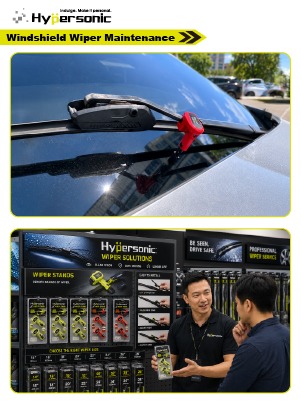
The Hypersonic wiper stand is designed to protect the wiper rubber strip when the vehicle is parked. Normally, the rubber strip stays pressed directly against the windshield for long periods. However, heat, pressure, and constant surface contact can slowly affect the shape of the rubber edge. By reducing the area where the wiper rubber strip directly contacts the windshield, the stand helps lower unnecessary stress on the blade. As a result, it supports better windshield wiper maintenance between regular inspections and replacements.
When the wiper rubber strip becomes deformed or aged, the blade may no longer wipe smoothly. It can leave streaks, create noise, skip across the glass, or fail to clear water evenly. Therefore, reducing long-term contact pressure can help slow rubber deformation and aging, depending on the blade condition, weather exposure, and driving habits. Although the stand cannot repair damaged blades, it can help maintain smoother wiping performance for longer when used with proper wiper blade care.
The Hypersonic wiper stand is simple, practical, and easy to include in a regular vehicle care routine. Drivers can use it when parking for long periods, especially during hot weather or outdoor parking. In addition, it works as a small reminder to check wiper condition before the next drive. For drivers who care about driving visibility, this kind of practical accessory adds another layer of protection without making maintenance complicated.
Summary: The Hypersonic wiper stand supports windshield wiper maintenance by protecting the rubber strip during parked periods. Although it does not replace regular cleaning or blade replacement, it adds another simple layer of wiper blade care for drivers who value clearer visibility, better wiper protection, and safer road preparation.
A good wiper stand should be easy to install, stable, and suitable for daily parking use. Since drivers may use it often, the stand should work smoothly with the vehicle’s wiper position without making the process complicated. However, convenience should not reduce protection. The main purpose is to reduce the area where the wiper rubber strip directly contacts the windshield, helping support better windshield wiper maintenance when the vehicle is parked.
|
Selection Factor |
Why It Matters |
Driver Benefit |
|
Fit and Placement |
Works properly with the wiper position |
Easier daily use |
|
Stable Support |
Keeps the wiper lifted or supported securely |
Reduces unwanted contact |
|
Material Durability |
Handles heat, sunlight, and outdoor use |
Better long-term reliability |
|
Simple Operation |
Easy to use when parking |
Encourages regular use |
|
Compact Design |
Does not interfere with vehicle appearance |
Practical for daily driving |
Material durability is also important because a wiper stand may face sunlight, heat, rain, and outdoor parking conditions. Therefore, drivers should look for a stand that provides secure support and can remain reliable during regular use. In addition, stable positioning helps prevent unnecessary movement while keeping the wiper rubber strip away from constant windshield pressure. This can help slow deformation and aging, especially during long parking periods.
A wiper stand works best when combined with normal wiper blade care. Drivers should still clean the windshield, wipe the rubber edge, refill washer fluid, and inspect the blades regularly. If the rubber is cracked, hardened, or already damaged, replacement is still necessary. However, using a practical stand can add one more layer of protection for drivers who care about driving visibility and long-term maintenance habits.
Summary: The right wiper stand should be practical, stable, and easy to use. It should help reduce direct windshield contact without making daily vehicle care complicated. When used with regular cleaning, inspection, and timely replacement, it can support better wiper rubber protection and safer driving visibility.
You may need to check or replace your windshield wipers if you notice streaking, squeaking, skipping, cracked rubber, flattened rubber, or poor windshield contact. In addition, cloudy glass after wiping may mean the blade edge is worn or deformed. These signs can reduce driving visibility, especially in rain or road spray.
No. A wiper stand cannot stop natural rubber aging completely. However, it can help reduce direct contact pressure between the wiper rubber strip and the windshield. As a result, it may help slow deformation caused by long-term windshield contact, especially when the vehicle is parked outdoors or left unused for extended periods.
No. The Hypersonic wiper stand supports wiper blade care, but it does not replace regular maintenance. Drivers should still clean the windshield, wipe the rubber edge, refill washer fluid, and inspect the blades often. If the rubber is cracked, hardened, split, or already damaged, replacement is still the safest choice.
Long-term pressure, heat, and surface contact can affect the shape and flexibility of the wiper rubber strip. When the rubber stays pressed against hot or dirty glass for long periods, the edge may slowly flatten, harden, or deform. Once this happens, wiping performance may drop, causing streaks, noise, skipping, or uneven water removal.
Yes, a wiper stand can be considered a practical safe driving accessory because it supports windshield wiper maintenance. Although it does not directly clear the windshield, it helps protect the rubber strip when the vehicle is parked. Better rubber condition can support smoother wiping, clearer driving visibility, and better preparation for poor weather.
Windshield wiper maintenance is a simple but important habit for safer driving. Clean, flexible, and properly working wipers help protect driving visibility during rain, mist, dust, road spray, and sudden weather changes. However, if the wiper rubber strip becomes flattened, hardened, or deformed, the blade may leave streaks, skip across the glass, or fail to clear water evenly.
For better wiper blade care, drivers should clean the windshield, wipe the rubber edge, refill washer fluid, inspect blade condition, and replace worn blades when needed. In addition, the Hypersonic wiper stand helps reduce direct contact between the wiper rubber strip and the windshield when the vehicle is parked. As a result, it can help slow rubber deformation and aging.
As one of the practical safe driving accessories, a wiper stand adds another layer of protection to regular vehicle care.
Explore the Hypersonic wiper stand and practical safe driving accessories to protect your wipers and support clearer driving visibility.
This site uses cookies to improve your browsing experience. we’ll assume you’re OK to continue. If you want to read more about this, please click PRIVACY thank you.